
What You’ll Actually Pay to Renovate in Vancouver in 2026
If you’re planning a renovation in Metro Vancouver, you’re probably wondering: What will this actually cost?
It’s a fair question, but the honest answer is: it depends on far more than square footage.
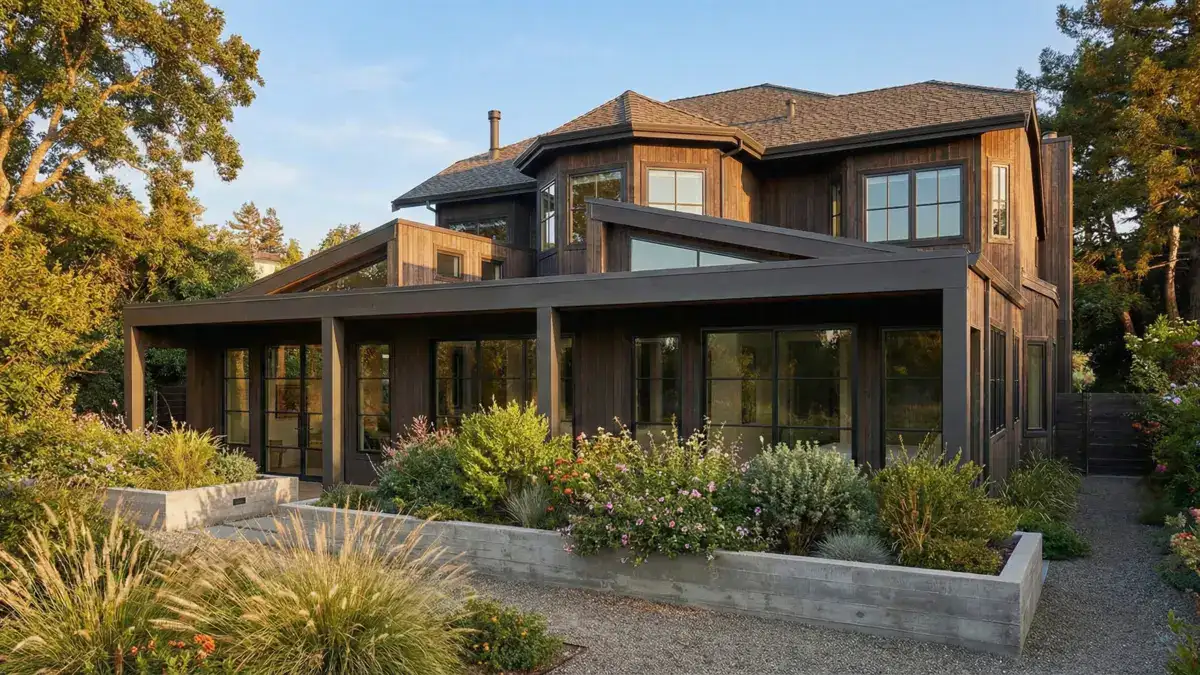
After managing dozens of renovations across Vancouver, Burnaby, and Coquitlam, we’ve seen projects with identical square footage differ by $100,000+ in final cost. Why? Because renovation pricing isn’t just about size—it’s about scope, finishes, structural complexity, and how well the project is planned from day one.
This guide breaks down realistic 2026 renovation costs for Metro Vancouver, explains what drives those numbers, and shows you how to budget properly so you’re not caught off-guard mid-project.
Metro Vancouver Renovation Costs: 2026 Pricing by Project Type
These ranges are based on current market conditions, not theoretical estimates. All prices include design, permits, construction, and project management.
Kitchen Renovation Cost (Vancouver 2026)
Refresh (cosmetic updates, no layout changes): $25,000 – $45,000
- New cabinet doors or painting
- Countertop replacement
- Appliance upgrades
- Updated backsplash and lighting
Mid-Range Renovation (some layout changes): $50,000 – $85,000
- New cabinets (semi-custom or quality stock)
- Countertops (quartz, engineered stone)
- Mid-range appliances
- Minor plumbing/electrical relocations
- Tiled backsplash
High-End or Full Custom Kitchen: $100,000 – $200,000+
- Custom cabinetry
- Premium countertops (natural stone, high-end engineered)
- Professional-grade appliances
- Significant layout changes
- Structural modifications
- Custom millwork and built-ins
What drives kitchen costs:
- Layout changes require moving plumbing and gas lines ($8,000–$15,000)
- Custom cabinetry can cost 2–3× stock options
- Load-bearing wall removal adds $6,000–$12,000+ in structural engineering and work
- High-end appliances: $15,000–$40,000 alone for a full set
Bathroom Renovation Cost (Vancouver 2026)
Basic Refresh: $18,000 – $30,000
- New fixtures and finishes
- Standard tiling
- Updated vanity and lighting
- No layout changes
Mid-Range Bathroom Renovation: $35,000 – $55,000
- Full gut and rebuild
- Quality tile and fixtures
- Walk-in shower or tub replacement
- Improved ventilation and lighting
- Minor layout adjustments
Luxury Bathroom: $65,000 – $120,000+
- Custom tilework and finishes
- High-end fixtures (Kohler, Grohe, etc.)
- Heated floors
- Layout reconfiguration
- Custom vanities and storage
- Steam shower or soaking tub
What drives bathroom costs:
- Moving plumbing is expensive in concrete slab buildings (common in Vancouver condos)
- Waterproofing requirements are non-negotiable (failure costs more than doing it right)
- Tile labor in Vancouver: $12–$30/sq ft depending on complexity
- Custom glass shower enclosures: $2,000–$5,000+
Condo Renovation Cost (Vancouver 2026)
Partial Condo Renovation (kitchen OR bathroom + cosmetic): $40,000 – $80,000
Full Condo Renovation (kitchen + bathroom + flooring + finishes): $90,000 – $200,000+
Condo-specific cost drivers:
- Strata approvals: Required for most work beyond paint. Delays cost time and money.
- Elevator booking and building access fees: $500–$2,000
- Restricted work hours: Limits to weekdays/daytime can extend schedule
- Acoustic requirements: Many buildings require sound-rated flooring ($8–$15/sq ft vs. $4–$8 for standard)
- Parkade/loading restrictions: Affects material delivery logistics
Condo renovation tip: Work with a firm experienced in strata coordination. Missing a required approval can shut down your entire project.
Full Home Renovation Cost (Vancouver 2026)
Moderate Scope (cosmetic + one major space): $75,000 – $150,000
- Kitchen or bathroom renovation
- Flooring throughout
- Paint and trim
- Lighting and fixture upgrades
Major Home Renovation (multiple systems + layout changes): $200,000 – $400,000
- Kitchen and bathroom(s)
- Structural changes (walls, beams, openings)
- Mechanical upgrades (HVAC, electrical panel, plumbing)
- Flooring, windows, doors
- Exterior work (siding, deck, landscaping)
Whole-Home Transformation: $500,000 – $1,000,000+
- Complete interior reconfiguration
- All new systems (electrical, plumbing, HVAC)
- Structural modifications
- High-end finishes throughout
- Exterior envelope work
- Additions or second-story builds
What makes a renovation “major”:
- Touching 3+ building systems (electrical, plumbing, HVAC, structure)
- Changing the layout or flow of the home
- Updating to current code (triggering additional compliance work)
- Opening walls reveals unforeseen issues (knob-and-tube wiring, asbestos, rot)
Cost Per Square Foot: Why This Metric Misleads Homeowners
You’ll see “$200–$400/sq ft” quoted everywhere. It’s technically accurate but practically useless.
Why? Because renovation cost per square foot varies wildly based on:
Project complexity:
- Cosmetic refresh: $150–$250/sq ft
- Full gut with layout changes: $300–$450/sq ft
- Structural modifications + high-end finishes: $500–$800/sq ft
Existing conditions:
- Wood-frame house (easier to modify): Lower cost/sq ft
- Concrete tower condo (harder to modify): Higher cost/sq ft
- Heritage building (code + character retention): Significantly higher
Finishes:
- Builder-grade materials: One cost
- Mid-range residential: 1.5–2× builder-grade
- High-end custom: 2–4× builder-grade
Hidden complications:
- Asbestos abatement: $5,000–$20,000+
- Structural issues discovered during demolition: $10,000–$50,000+
- Upgrading electrical service (60A → 200A): $8,000–$15,000
- Unpermitted previous work requiring correction: Variable, often significant
Bottom line: Cost per square foot is only useful for comparing similar projects with similar scope. It’s a terrible tool for initial budgeting.
What Actually Drives Renovation Costs in Vancouver?
1. Labour Market Tightness
Vancouver’s construction labour market remains competitive. Skilled trades command premium rates:
- Carpenters: $50–$80/hour
- Electricians: $90–$130/hour
- Plumbers: $100–$140/hour
- Tile setters: $15–$30/sq ft (labour only)
Projects scheduled during peak season (spring/summer) may see higher rates or longer timelines.
2. Material Costs and Supply Chain
While material prices have stabilized from 2021–2023 peaks, they remain elevated:
- Lumber: Still 40–60% above pre-pandemic pricing
- Cabinetry lead times: 4–12 weeks for semi-custom
- Appliances: Supply is better but high-end models still face delays
- Tile and stone: Import costs remain high
Budget tip: Lock in material selections and pricing early. Mid-project changes delay schedules and often cost 20–30% more than if specified upfront.
3. Permit and Code Compliance Requirements
Vancouver, Burnaby, and surrounding municipalities have strict building codes and permitting requirements:
Permit costs (typical):
- Kitchen renovation (no structural): $500–$1,500
- Bathroom renovation: $400–$1,200
- Major renovation with structural work: $2,000–$5,000+
But permit fees are the small part. The real cost is in:
- Engineering (if structural changes): $3,000–$8,000+
- Permit-ready drawings: $2,000–$10,000+
- Timeline delays: 4–12 weeks for permit approval
- Inspection failures: Rework costs if details aren’t right the first time
Working with a design-build firm that handles permits end-to-end eliminates these headaches. We coordinate with engineers, submit drawings, manage inspections, and ensure compliance—keeping your project on track.
4. Layout Changes vs. Cosmetic Updates
Cosmetic refresh (no walls moved, no systems relocated): Costs are predictable and relatively lower.
Layout changes (walls removed, plumbing/electrical relocated): Costs jump significantly:
- Moving a kitchen sink 6 feet: $2,000–$4,000 (plumbing + electrical)
- Removing a load-bearing wall: $8,000–$15,000 (engineering + beam + labor)
- Relocating a bathroom: $15,000–$30,000+ (plumbing rough-in is expensive)
Money-saving strategy: Keep plumbing where it is whenever possible. Moving water lines and drains is one of the fastest ways to inflate a budget.
5. Existing Building Conditions
Every renovation uncovers something. Budget for it.
Common discoveries:
- Knob-and-tube wiring (must be replaced if walls are open): $8,000–$20,000
- Aluminum wiring (insurance/code concerns): $6,000–$15,000 to remediate
- Plumbing issues (galvanized pipes, cast iron degradation): $5,000–$20,000
- Water damage, mold, or rot: $3,000–$30,000+ depending on extent
- Asbestos in flooring, drywall compound, or insulation: $5,000–$25,000 for abatement
Why a 15–20% contingency matters: These issues aren’t “if,” they’re “when and how much.”
Smart Budgeting for a Vancouver Renovation
1. Start with Total Budget, Not Just Construction Cost
Many homeowners budget for construction only and forget:
- Design and engineering: 8–12% of total budget
- Permits and approvals: 2–4%
- Contingency for unknowns: 15–20%
- Temporary housing (if full-home reno): Variable
- Furniture and finishes not included in scope: 5–10%
Example: If your construction budget is $100,000, your total project budget should be $135,000–$150,000.
2. Prioritize High-Impact Upgrades
Where you spend matters more than how much you spend.
High ROI renovations:
- Kitchen and bathrooms (best resale value)
- Improved layout and flow (makes home more livable)
- Updated mechanical systems (adds safety and efficiency)
- Curb appeal and exterior condition (first impression matters)
Lower ROI renovations:
- Over-customization (unique taste doesn’t always translate to resale value)
- Luxury finishes in secondary spaces
- Extremely high-end appliances (premium diminishes on resale)
3. Phased Approach for Tighter Budgets
You don’t have to do everything at once.
Phase 1 (year 1): Kitchen renovation + essential repairs
Phase 2 (year 2): Bathrooms + flooring
Phase 3 (year 3): Exterior, landscaping, or addition
Advantage: Spreads cost over time, lets you live with changes before committing to more.
Disadvantage: Some efficiency is lost (mobilization costs repeat, potential rework if phases aren’t well-planned).
Best practice: Plan all phases upfront even if you’re executing in stages. This avoids costly redesigns or rework.
4. Choose Finishes Strategically
You don’t need the most expensive option in every category.
Where to invest:
- Cabinetry (you touch it daily, and quality shows)
- Countertops in kitchen (high use, high visibility)
- Plumbing fixtures (quality lasts, cheap ones fail)
- Tile in wet areas (properly done waterproofing is non-negotiable)
Where to save:
- Paint (premium vs. standard is marginal difference)
- Hardware (can upgrade later easily)
- Light fixtures (easy to swap)
- Flooring in low-traffic areas (luxury vinyl performs well at lower cost than hardwood)
5. Work with a Design-Build Firm
The design-bid-build model (hire architect, then bid to contractors) often leads to:
- Cost overruns (designs don’t account for constructability)
- Finger-pointing (architect blames contractor, contractor blames architect)
- Change orders (design gaps discovered during construction)
Design-build integration solves this:
- Single point of accountability
- Design and budget aligned from day one
- Faster timelines (no bid process delays)
- Fewer surprises (builder is involved in design phase)
At reVISION Design + Build, we bring design expertise and construction reality to every project. You get architectural-quality design that’s actually buildable, on budget, and on schedule.
Frequently Asked Questions: Vancouver Renovation Costs 2026
How much should I budget for a renovation in Vancouver?
For a realistic budget, add 15–20% contingency on top of your base construction cost, plus 10–15% for design, permits, and project management.
Example:
- Base construction cost: $100,000
- Design + permits: $12,000
- Contingency: $18,000
- Total budget: $130,000
Renovations that involve structural work, older homes, or condos with strict strata requirements should budget closer to 20–25% contingency.
Is renovating cheaper than building new in Vancouver?
It depends on the scope and condition of your existing home.
Renovating is typically cheaper if:
- The structure and foundation are sound
- You’re not making major structural changes
- The home’s layout mostly works (minor tweaks only)
- You’re updating finishes and systems
- Your existing home exceeds what current zoning allows you to rebuild (many older Vancouver homes are “legal non-conforming”).
Building new may be comparable or cheaper if:
- Major structural issues exist (foundation problems, extensive rot)
- Layout requires gutting 80%+ of the home anyway
- You’re adding significant square footage (may make more sense to rebuild)
- Permitting and zoning allow teardown + rebuild
Rule of thumb: If renovation costs approach 70–80% of rebuild costs, seriously consider new construction instead.
Do condo renovations cost more than house renovations?
Often yes, on a per square foot basis, due to:
Strata coordination requirements:
- Approval processes (4–8 weeks typical)
- Building-specific rules (work hours, elevator access, material restrictions)
- Insurance and liability requirements
Building logistics:
- Restricted work hours (typically weekdays 8 AM–5 PM, no weekends)
- Elevator booking fees and coordination
- Limited material staging areas
- Parkade access restrictions
Construction challenges:
- Concrete structures are harder to modify than wood-frame
- Plumbing and electrical runs are more constrained
- Acoustic requirements for flooring (underlay, sound ratings)
- Stricter cleanup and dust control expectations
Cost premium: Expect 10–20% higher costs for similar scope in a condo vs. a house, purely due to logistics and coordination.
How to minimize this: Work with a contractor experienced in condo renovations and strata coordination. Mistakes here cost weeks of delays.
What permits do I need for a renovation in Metro Vancouver?
Building permit required for:
- Structural changes (removing or adding walls, beams, columns)
- Layout changes affecting plumbing or gas lines
- Additions or expansions
- Major electrical work (panel upgrades, new circuits)
- Window or door replacements (if changing size or location)
Plumbing permit required for:
- Moving fixtures (sinks, toilets, showers)
- New plumbing installations
- Gas line work
Electrical permit required for:
- Panel upgrades
- New circuits or subpanels
- Major rewiring
No permit typically required for:
- Painting, flooring (if not structural)
- Cabinet replacements (if no layout change)
- Fixture swaps (like-for-like)
- Cosmetic updates
Important: Even if a permit isn’t required by the city, your strata may still require approval for condo renovations. Always check both.
How long does a typical renovation take in Metro Vancouver?
Kitchen renovation:
- Design + permits: 4–12 weeks
- Construction: 4–8 weeks
- Total: 2–5 months
Bathroom renovation:
- Design + permits: 4–8 weeks
- Construction: 3–5 weeks
- Total: 2–3 months
Full condo renovation:
- Design + permits + strata approval: 6–16 weeks
- Construction: 8–12 weeks
- Total: 3–7 months
Major home renovation:
- Design + permits: 10–16 weeks
- Construction: 12–24 weeks
- Total: 6–12 months
Timeline killers:
- Permit delays (incomplete drawings, missing information)
- Strata approval delays (missing forms, board meeting schedules)
- Material lead times (appliances, custom cabinetry, tile)
- Unforeseen conditions (structural issues, hidden damage)
- Change orders mid-project (every change adds time)
What’s the difference between a contractor and a design-build firm?
General contractor:
- Executes construction based on provided plans
- You hire architect/designer separately
- Contractor bids on finished design
- Limited input on design decisions
Design-build firm (like reVISION):
- Handles design, permits, AND construction
- Single point of contact and accountability
- Design and budget developed together (no surprises)
- Designer and builder collaborate from day one
Why design-build often costs less overall:
- No adversarial bidding process
- Designs are constructible (no change orders for unbuildable details)
- Faster timelines (design and permitting overlap)
- Fewer surprises (builder input during design catches issues early)
Can I save money by acting as my own general contractor?
You can, but it’s rarely worth it unless you have construction experience.
What you’ll handle:
- Hiring and coordinating all subtrades (framers, electricians, plumbers, HVAC, drywallers, painters, etc.)
- Scheduling and sequencing (wrong order = expensive delays)
- Ordering materials (wrong quantities or timing = cost overruns)
- Permit applications and inspections
- Quality control and problem-solving
- Warranty and liability management
Hidden costs of self-managing:
- Subtrades charge retail rates to homeowners (GCs get trade discounts)
- Scheduling mistakes cause trades to sit idle (you still pay)
- Material ordering errors (overbuy = waste, underbuy = delays)
- Permit mistakes (rejections add weeks)
- Your time (is it worth $50–$100/hour you could be earning elsewhere?)
Reality check: Most homeowners who try this underestimate the time commitment by 3–5×, and end up spending more than hiring a GC due to mistakes and inefficiencies.
How do I avoid cost overruns on my renovation?
1. Invest in thorough design and planning upfront
Rushing into construction to “save time” almost always costs more. Detailed plans catch problems before walls are open.
2. Budget a 15–20% contingency and don’t spend it prematurely
Treat contingency as insurance, not extra budget for upgrades.
3. Lock in material selections early
Changing tile, cabinetry, or fixtures mid-project adds cost and delays.
4. Avoid scope creep
“While we’re at it…” is the enemy of staying on budget. If you want to add scope, reprice it formally and adjust budget.
5. Work with a design-build firm that provides transparent pricing
At reVISION, we use a “wallet model” approach: you prepay for design, planning, and project management hours at transparent rates. No hidden markups, no surprises.
6. Understand what’s included (and what’s not)
Does your quote include permits? Design? Appliances? Finishes? Demolition and disposal? Temporary accommodations? Clarify everything upfront.
What’s included in a renovation quote?
Every contractor structures quotes differently, but a complete quote should include:
Design and preconstruction:
- Architectural or design services
- Engineering (if structural work)
- Permit applications and fees
Construction:
- Demolition and disposal
- Framing and structural work
- Electrical, plumbing, HVAC
- Drywall, taping, painting
- Flooring installation
- Trim and millwork
- Installation of fixtures and finishes
Project management:
- Scheduling and coordination
- Site supervision
- Inspections and quality control
What’s typically NOT included (clarify these):
- Appliances (unless specified)
- Light fixtures and ceiling fans (unless specified)
- Window coverings
- Furniture and decor
- Landscaping or exterior work (unless scoped)
- Temporary housing during construction
Red flag: If a quote seems unusually low, it’s probably missing scope. Compare line-by-line, not just total price.
How reVISION Design + Build Approaches Renovation Budgeting
We believe renovation budgeting should be transparent, realistic, and aligned with your goals from day one.
Our Process:
1. Initial Consultation
We discuss your vision, priorities, timeline, and budget constraints. No sales pitch—just honest conversation about what’s possible.
2. Feasibility and Conceptual Design
Before committing to full design, we develop feasibility-level concepts and high-level budgets. This ensures your vision aligns with your budget before significant design investment.
3. Detailed Design and Pricing
Once direction is confirmed, we create detailed plans, specifications, and fixed-price proposals. You know exactly what you’re getting and what it costs.
4. Transparent Project Management
We offer both cost-plus and fixed-price contracts depending on your preference and project complexity. For cost-plus projects, all costs are fully quoted and disclosed upfront, then funded according to the project schedule—securing materials and trades at the right time to avoid price fluctuations. For well-defined projects with minimal uncertainty, we provide fixed-price contracts with comprehensive specifications.
5. Proactive Communication
If we encounter unforeseen conditions, we present options with cost impacts before proceeding. No surprise bills at the end.
Why This Matters:
Too many renovations fail not because of construction issues, but because of misaligned expectations. A contractor bids low to win the job, then nickel-and-dimes you with change orders. Or a designer creates a beautiful plan that’s 50% over budget.
We bring design expertise AND construction reality together from day one. You get architectural-quality design that’s actually buildable, on time, and on budget.
Ready to Plan Your Vancouver Renovation?
Whether you’re renovating a condo in downtown Vancouver, updating a home in Burnaby, or planning a major transformation in Coquitlam, understanding realistic costs is the first step.
Next steps:
- Define your priorities: What matters most—timeline, budget, or design?
- Set a realistic budget: Use the ranges above as a starting point, then add contingency.
- Talk to a design-build expert: Get a feasibility assessment before committing to full design.
At reVISION Design + Build, we specialize in design-build renovations across Metro Vancouver. We handle everything from feasibility and design through permits, construction, and final inspections—so you get a renovation that’s on budget, on schedule, and built to last.
Book a consultation to discuss your project.
We’ll provide a realistic cost assessment, talk through feasibility, and help you plan a renovation that aligns with your goals and budget.